Pépitch


When I joined Pepitch, the iOS app was live but struggling with stability, memory leaks, and a codebase that made iteration risky. My first priority was to reinforce the technical foundations: fixing memory leaks, improving resource management, and refactoring critical components to build a more reusable and predictable architecture.
I redesigned the networking layer with automatic retry mechanisms and clearer failure handling, significantly improving reliability in real-world conditions. At the product level, I expanded guest access so most features became usable without an account, reduced onboarding friction, and later simplified it further to improve activation.
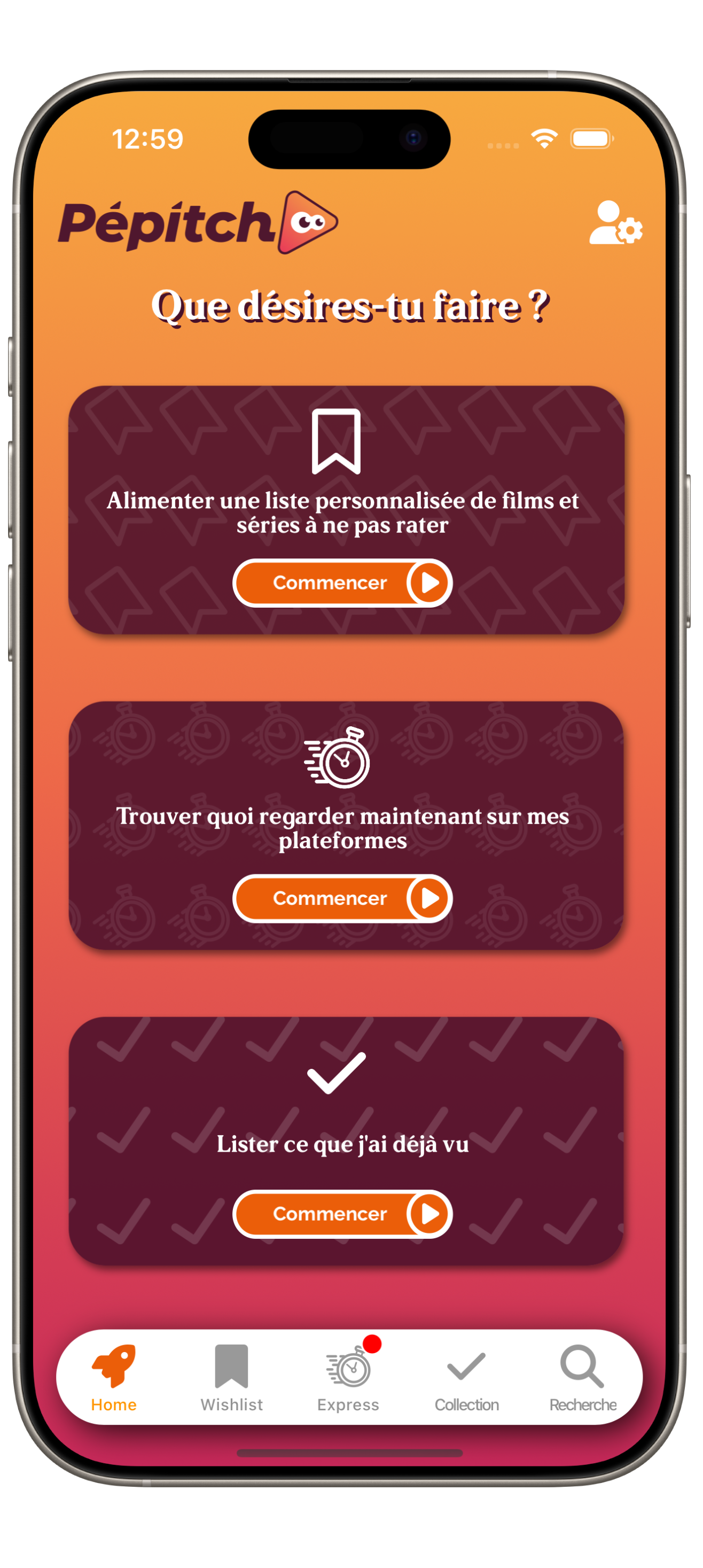
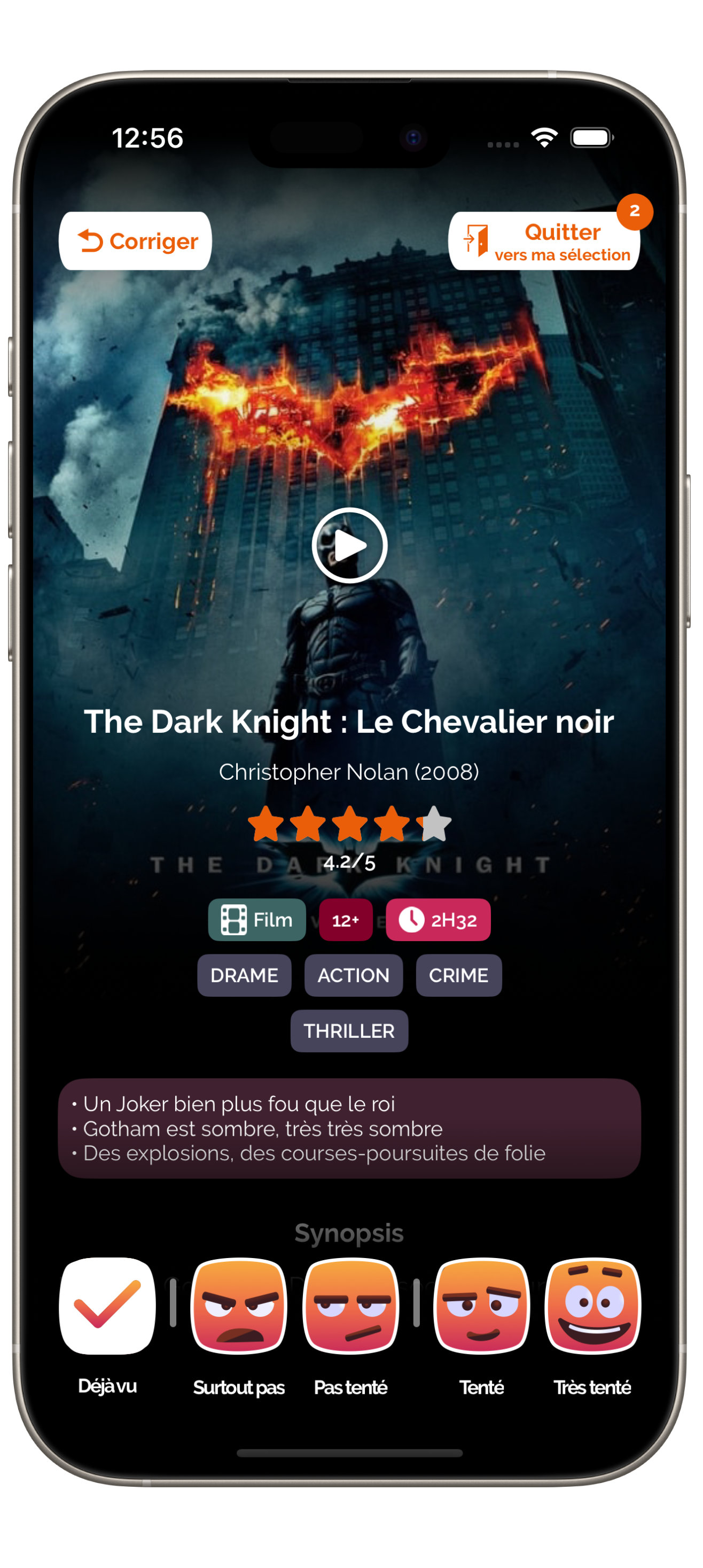
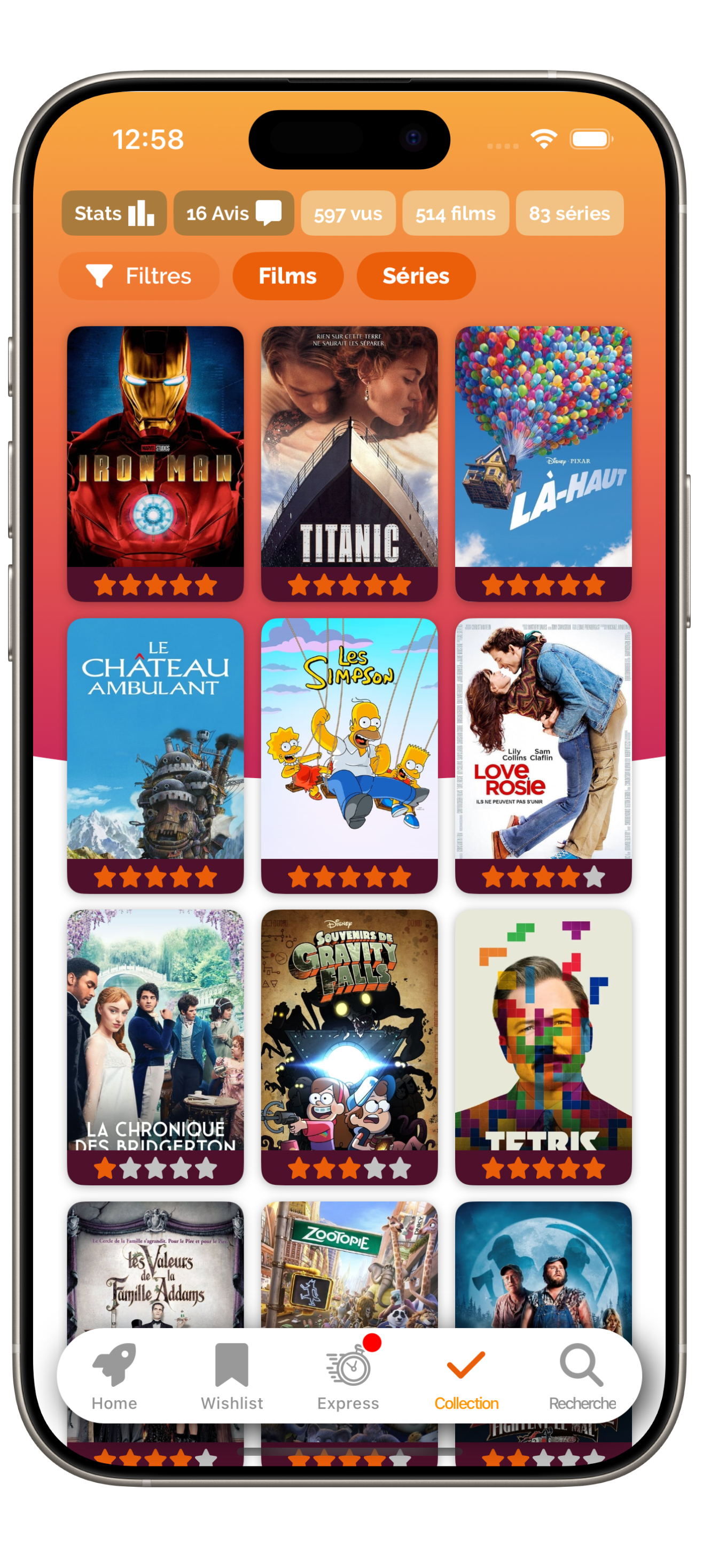
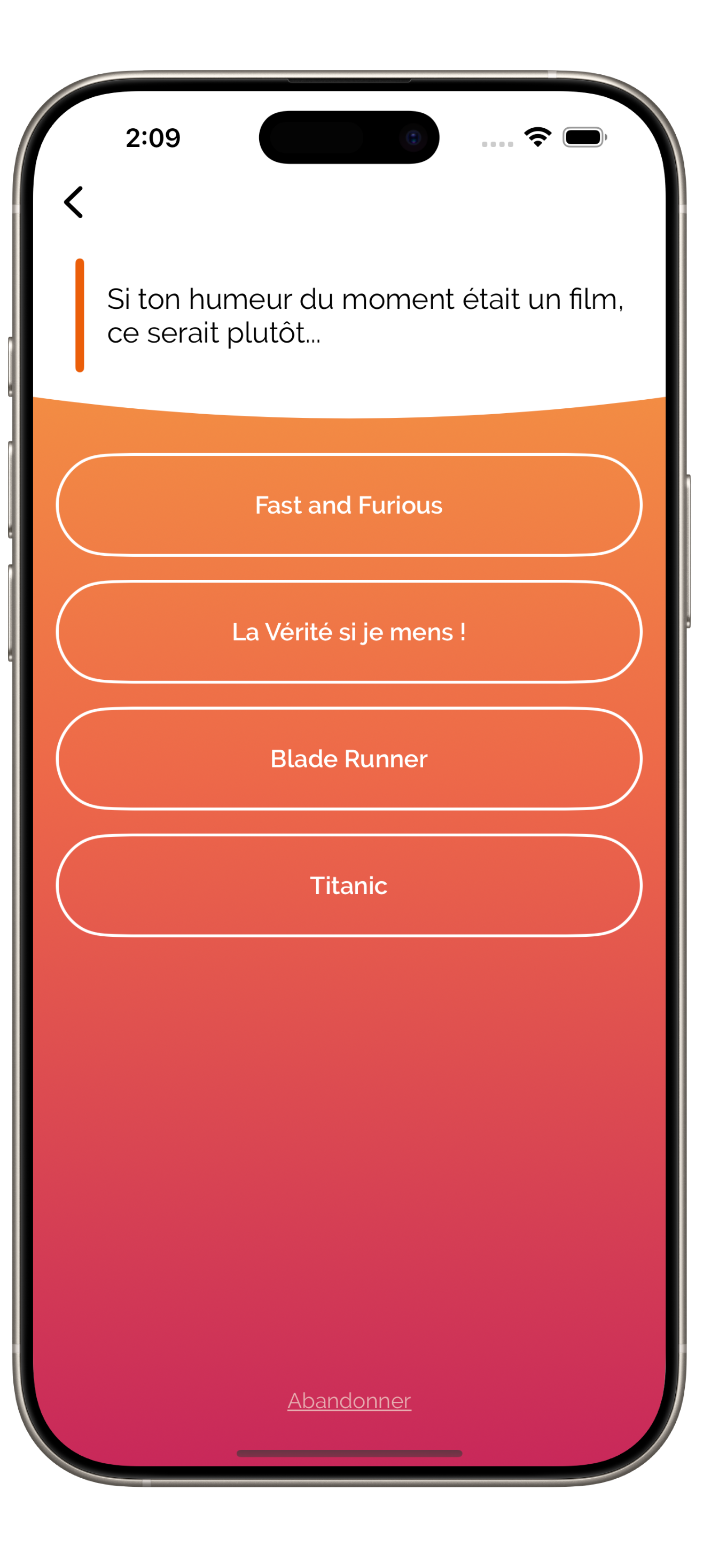
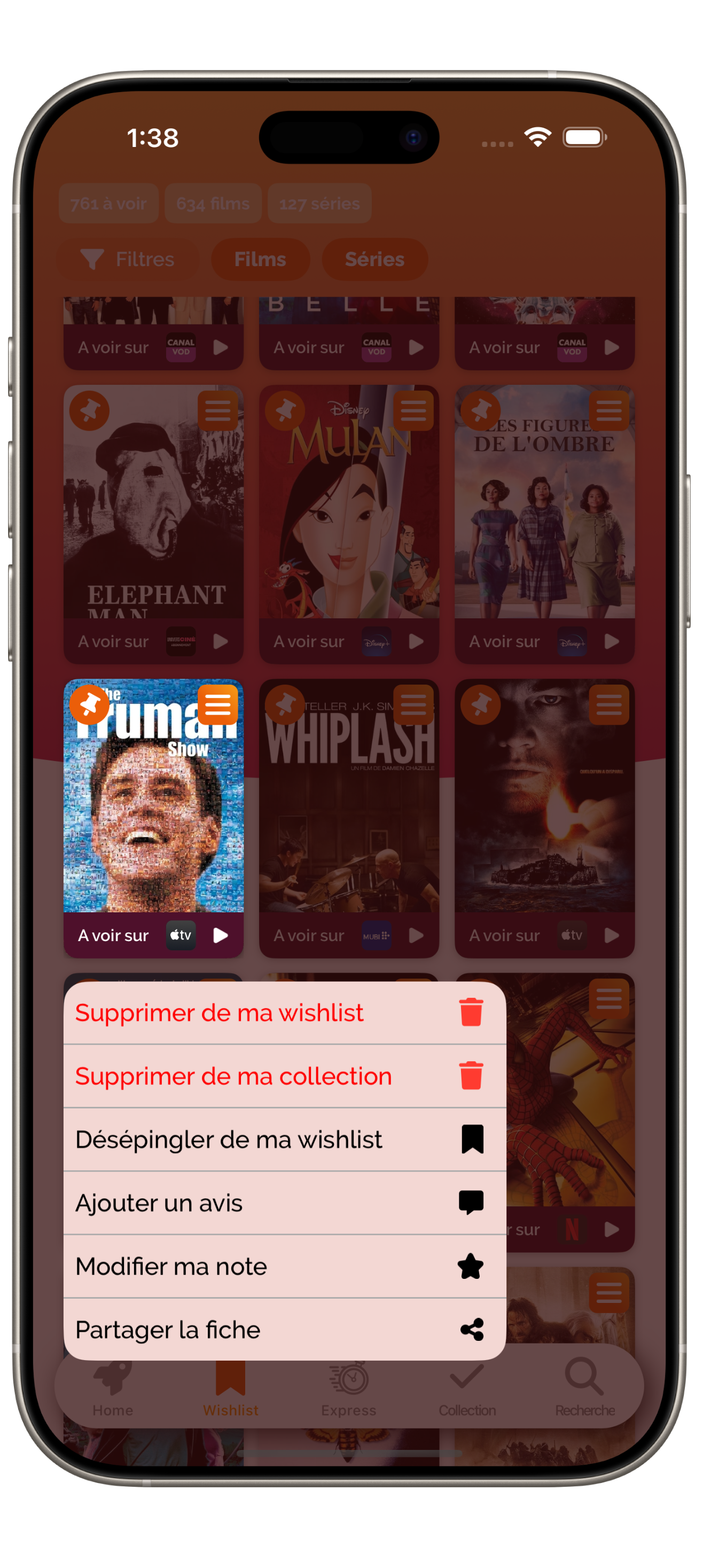
The app evolved from a movie-only experience to a broader platform supporting TV series and multiple recommendation flows. A major 2.0 release introduced three new product experiences (Express, Wishlist, and Collection modes), alongside a full UI redesign, richer navigation patterns, and contextual actions across the app.
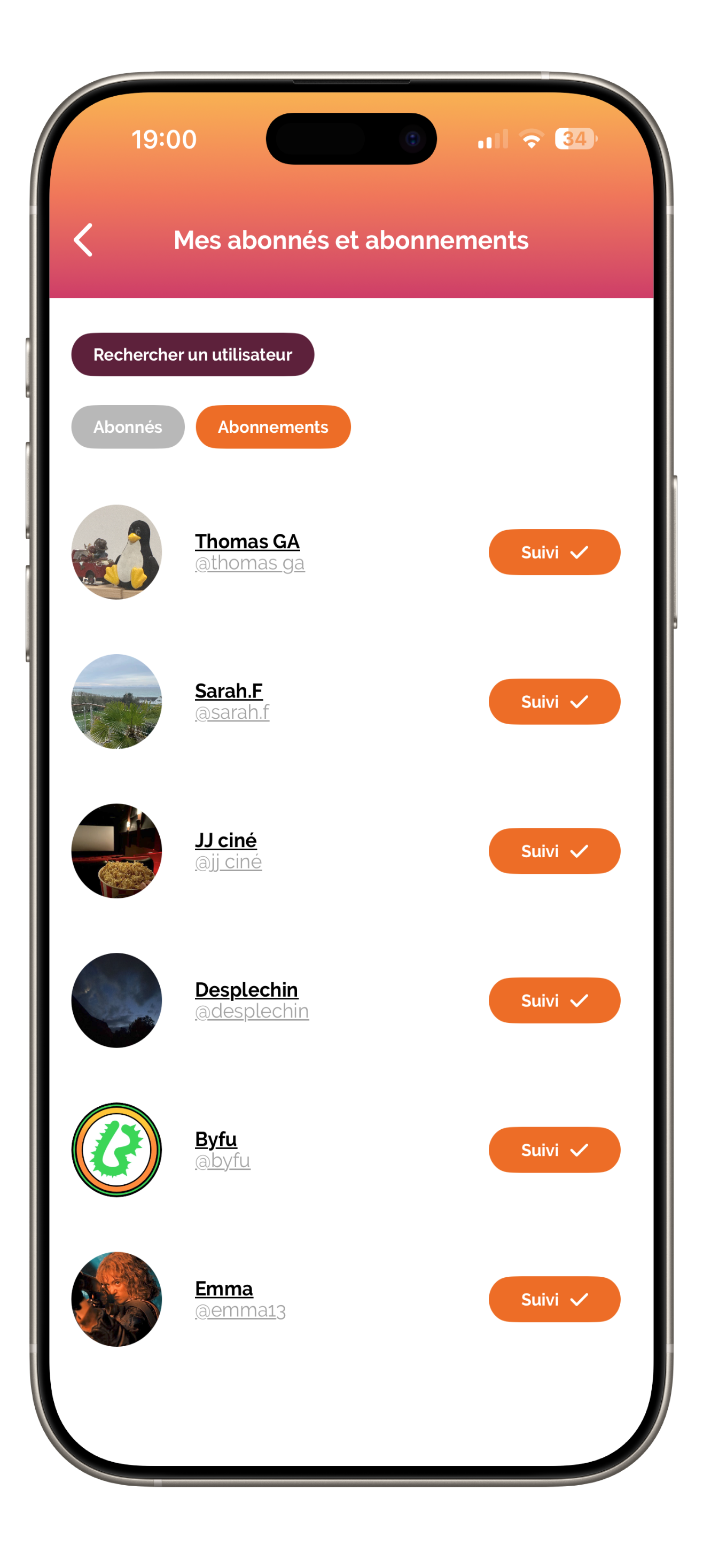
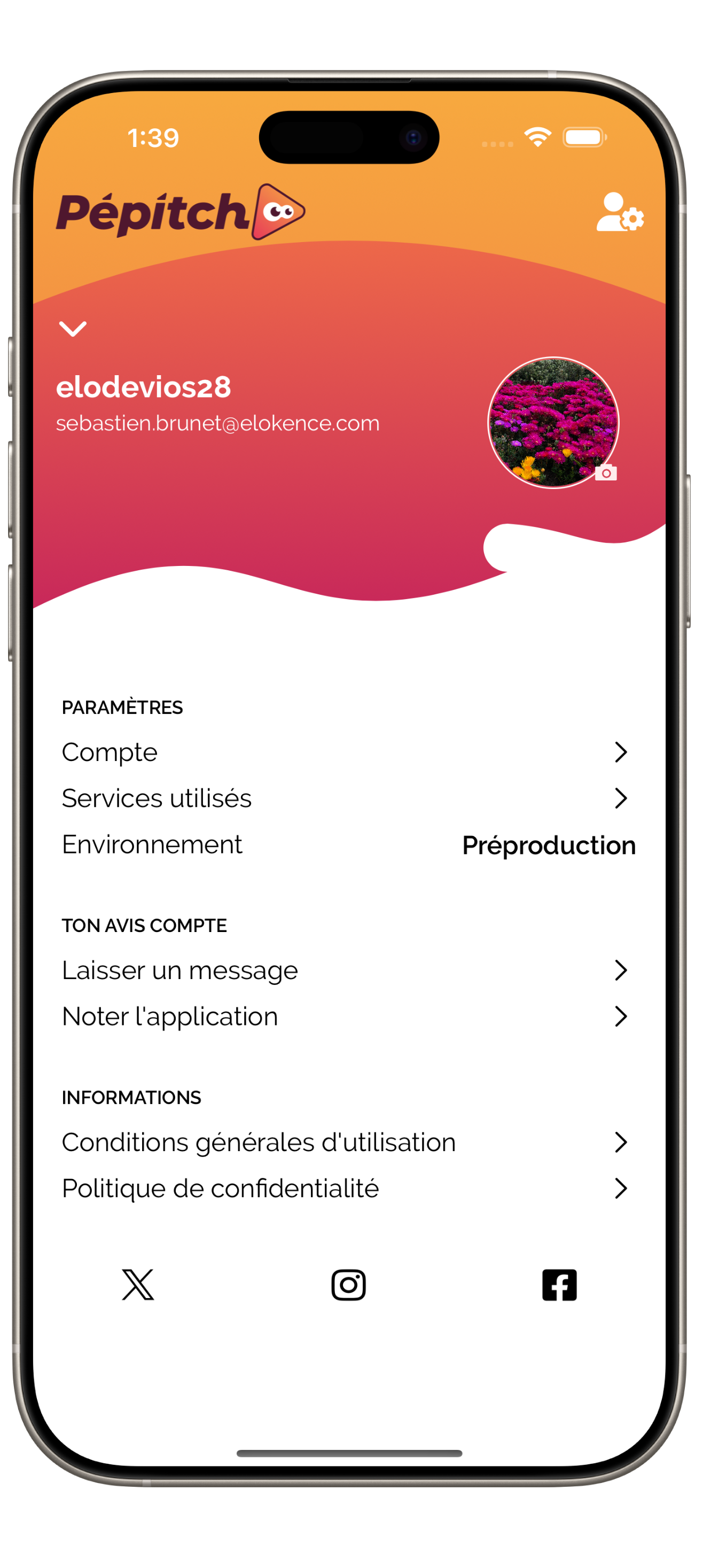
I progressively added social features : shared collections, animated reviews, user discovery, following, and modern authentication with Apple and Google, while enhancing the experience through micro-interactions, subtle animations, and smoother transitions. In parallel, I migrated the codebase to async/await, introduced SwiftUI for new features, and improved overall maintainability without disrupting ongoing product delivery.
These efforts led to a 62% reduction in crashes, over 99% crash-free users, a two-thirds reduction in memory usage, and improved navigation flows that translated into higher engagement and longer session durations.